Velocity Green Logo
$0.00 0

Cart

No products in the cart.

Continue shopping

Please install Yoast or RankMath to use breadcrumbs.

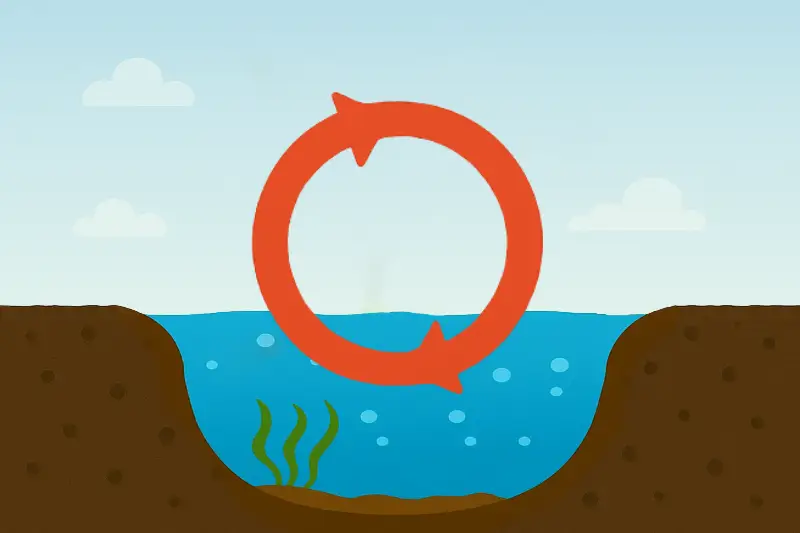
diagram showing a soil nutrient cycling

Soil Remediation: How Biologicals Heal the Soil Below

Bio-Solutions for Sustainable Agriculture and Soil Health The health of our soil is the bedrock of agriculture. Yet, years of intensive farming, chemical overuse, and environmental pressures have left many soils depleted, compacted, and struggling. This is where soil remediation comes in, the crucial process of restoring degraded soil back to health. And increasingly, farmers […]

Velocity Green Logo
Velocity Green is committed to driving sustainable growth through innovative and powerful biological solutions, research, data, and helping educate land stewards.

Looking for a bio-solution?

Bio-Solutions for Sustainable Agriculture and Soil Health

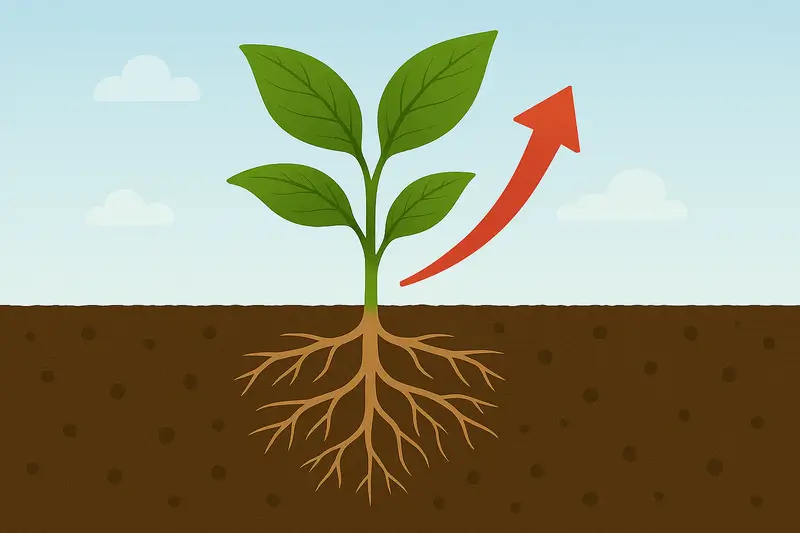
The health of our soil is the bedrock of agriculture. Yet, years of intensive farming, chemical overuse, and environmental pressures have left many soils depleted, compacted, and struggling. This is where soil remediation comes in, the crucial process of restoring degraded soil back to health. And increasingly, farmers are turning to biologicals for soil remediation since they are effective and work. These aren’t quick fixes; they’re nature’s own engineers, building the foundation of a regenerative and sustainable agriculture.

Why Soil Remediation Matters

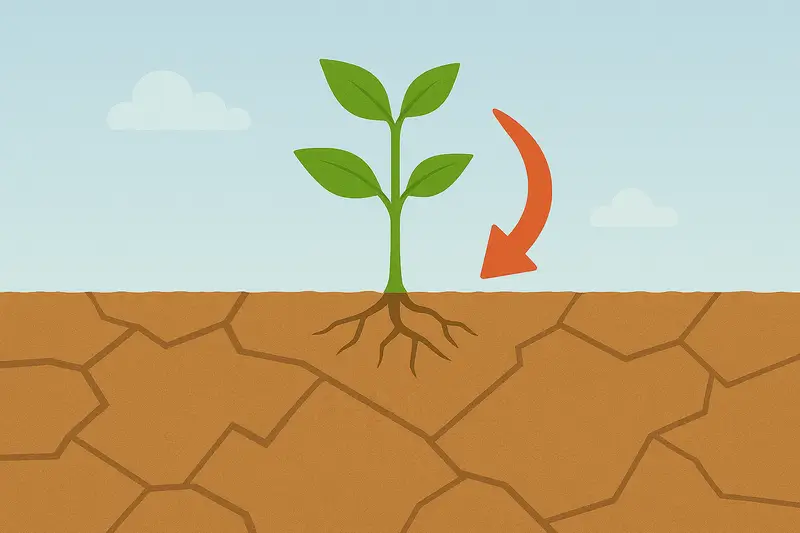
Think of healthy soil as a living, breathing ecosystem. It’s full of microbes, organic matter, air, and water, all working together to support plant life. When soil becomes degraded, its ability to perform essential functions diminishes. This can lead to:

  • Reduced Fertility: Less available nutrients for plants.
  • Poor Water Management: Soil that sheds water or becomes waterlogged.
  • Compaction: Roots struggle to penetrate, and air/water movement is restricted.
  • Chemical Buildup: Residues from pesticides or excessive fertilizers can harm soil life.
  • Increased Erosion: Healthy soil holds together better.

Traditionally, remediation often involved mechanical methods or heavy chemical inputs. However, biologicals for soil remediation offer a far more sustainable and effective path, working with nature’s own processes to restore health from the ground up.

The Power of Biologicals in Soil Remediation

Biological solutions leverage the natural functions of microorganisms, bacteria, fungi, and other beneficial life forms to transform distressed soil. These functions include:

1. Breaking Down Contaminants

Many biologicals are exceptional at bioremediation, meaning they can break down harmful substances in the soil. This includes:

  • Pesticide and Herbicide Residues: Certain bacteria and fungi have evolved pathways to metabolize and neutralize persistent chemical compounds, cleaning up the soil over time.
  • Petroleum Hydrocarbons: In areas affected by fuel spills, specialized microbes can digest and break down these pollutants into harmless byproducts.
  • Excess Nutrients: While not strictly contaminants, too much of certain nutrients (like nitrates from runoff) can be an issue. Biological processes help cycle andoss reduce their excess.

2. Rebuilding Soil Structure

Healthy soil has a crumbly, aggregated structure, kind of like a well-baked cake. Degraded soil often resembles concrete. Biologicals can be the key to fixing this:

  • Producing “Glues”: Microbes excrete sticky substances (polysaccharides) that bind soil particles together, forming stable aggregates. This creates pore spaces crucial for air and water movement.
  • Enhancing Root Penetration: As soil structure improves, plant roots can grow deeper and stronger, further aerating the soil and contributing organic matter.

3. Restoring Nutrient Cycling

In healthy soil, nutrients are constantly being cycled, transformed, and made available to plants through microbial activity. In degraded soil where microbial activity is low, these cycles break down. Biologicals help kickstart them again:

  • Decomposition of Organic Matter: Bacteria and fungi break down crop residues, dead plant material, and other organic matter, releasing essential nutrients back into the soil. This process is fundamental to improving soil fertility.
  • Nutrient Solubilization: Many microbes can dissolve “locked-up” forms of phosphorus, potassium, and micronutrients, making them accessible to plants again. This directly improves the soil’s fertility.
  • Nitrogen Cycling: From fixing atmospheric nitrogen to converting it into plant-usable forms, microbes are the nitrogen cycle, an important part of soil health.

The Role of Beneficial Bacteria: Featuring ACF-SR

When it comes to biologicals for soil remediation, beneficial bacteria are true heroes. They contribute to pretty well every aspect of soil health and remediation by helping build a diverse, thriving microbial community that outcompetes harmful pathogens, supporting plant health, and driving all the beneficial processes mentioned above.

Our ACF-SR product is a prime example of how a carefully selected blend of beneficial bacteria can revolutionize soil health. It’s specifically designed to strengthen the soil’s natural microbial activity, leading to long-term improvements. The powerful strains in ACF-SR include:

  • Rhodopseudomonas palustris: A versatile bacterium known for its ability to fix nitrogen and solubilize phosphates, making these crucial nutrients more available.
  • Bacillus licheniformis: Contributes to nutrient cycling and can help suppress harmful pathogens, enhancing the overall soil environment.
  • Nitrosomonas europaea: Plays a vital role in the first step of nitrification, converting ammonia to nitrite.
  • Nitrobacter winogradskyi: Completes the nitrification process by converting nitrite to nitrate, a form readily absorbed by plants.
  • Bacillus subtilis: A versatile bacterium recognized for promoting plant growth, enhancing nutrient uptake, and offering natural biocontrol properties.

Together, these bacteria in ACF-SR work in synergy to improve soil structure, break down organic matter, enhance nutrient availability, and contribute to a more all-around healthy soil.

A Sustainable Path Forward

Adopting biologicals for soil remediation is more than just a corrective measure; it’s an investment in sustainable agricultural practices. By relying on natural processes of the soil microbiome, we can:

  • Reduce Chemical Dependency: Less need for harsh chemicals to solve soil problems.
  • Improve Crop Resilience: Healthier soil leads to healthier, more stress-tolerant plants.
  • Enhance Water Quality: Reduced nutrient runoff and chemical leaching.
  • Increase Carbon Sequestration: Healthy soils with more organic matter store more carbon, contributing to climate change mitigation.

Ultimately, biologicals offer a path to not just remediate damaged soil but to build truly resilient, fertile, and sustainable agricultural practices for the long term.

Looking for a bio-solution?

Explore More

Velocity Green Logo White

Creating a greener Future

Velocity Green is leading the way into a sustainable future with our winning product line. Join our mission by following us on social media or joining our newsletter.

Follow Us

Stay up to date about our products and events by following us on social media.

Sign Up

Get our learning material, product updates and event invites directly to your inbox.

Velocity Green Logo White

Velocity Green offers sustainable and cost efficient solutions for your agriculture, turf, water, and residential needs.

Contact Info

Phone Number

+1-519-820-8212

Email Us

info@velocity-green.com

Brew Station

*By Appointment Only. 
505 Queensway West, Unit 9 
Simcoe, ON N3Y 4R5

Contact Hours

Weekdays: 9:00 am - 7:00 pm EST 
Weekends: closed 
Site Visits: By appointment only 

Newsletter

Stay up to date with our bio-news, events and product announcements.
Velocity Green Favicon

Online bio-Estimator

By Velocity Green