How Biological Solutions Optimize Fertilizer & Nutrient Use
Most farmers rely on synthetic fertilizers to provide the essential nutrients their crops need. And while these inputs undeniably work, there’s a growing understanding that using these inputs long-term is damaging our land. Globally, we are rapidly learning that we can achieve even better results for our plants, our soil, and our planet by incorporating bio-fertilizers. These aren’t about eliminating traditional fertilizers, but about making every single nutrient count and significantly reducing the reliance on synthetic inputs.
The Fertilizer Dilemma: More Isn’t Always Better
Traditional fertilizers deliver a concentrated dose of nutrients like nitrogen, phosphorus, and potassium. But there’s a catch: a significant portion of these applied nutrients can become “locked up” in the soil, unavailable to plants, or even leach away, leading to waste and environmental concerns. This means growers often apply more than the plant can truly use, creating extra costs.
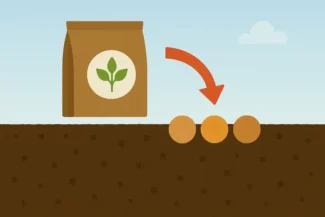
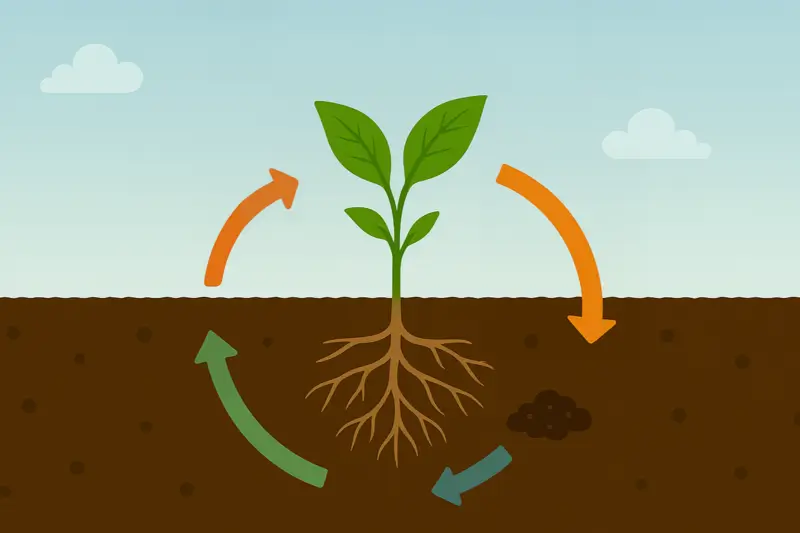
Now we have bio-fertilizers and bio-nutrient inputs. These incredible natural solutions work by adding essential nutrients and enhancing the soil’s ability to cycle nutrients, making them easily accessible to plants and reducing the overall dependency on synthetic inputs, improving, not damaging, the soil health.
How Biologicals Are Helping Nutrient Intake
Bio-fertilizers are often packed with beneficial microorganisms, and they play major roles in optimizing traditional fertilizers and nutrient inputs.
- Unlocking Bound Nutrients: Many essential nutrients are present in the soil, but in forms that plants can’t readily absorb. This is where microbes work. For example, certain bacteria can solubilize phosphorus and potassium, converting them into plant-available forms. Our ACF-SR product is a fantastic example, containing specialized bacteria that actively work to make these locked-up nutrients accessible, meaning plants can access more from what’s already there.
- Adding Available Nutrients (Bio-Delivery): Some biological solutions directly contribute nutrients to the soil in a form plants can immediately use. Worm castings, for instance, are a prime example. They’re rich in readily available macro and micronutrients, beneficial microbes, and humic acids. Products like Annemaxx Biome provide these directly, complementing existing nutrient programs with a natural, gentle feed.
- Boosting Nutrient Uptake by Plants: Beyond just making nutrients available, biologicals can directly improve how efficiently plants absorb them. Mycorrhizal fungi, for instance, form a beneficial relationship with plant roots, which essentially extends the root system. These fungal networks act as nutrient gatherers, bringing water and nutrients (especially phosphorus and nitrogen) directly to the plant in exchange for sugars. This natural partnership enhances the plant’s ability to forage for what it needs.
- Enhancing Nitrogen Fixation: Nitrogen is a flagship of plant growth, and there is a lot of atmospheric nitrogen. However, plants can’t use it in the atmosphere. This is where nitrogen-fixing bacteria come in. Again, like the bacteria in ACF-SR, they work together to convert atmospheric nitrogen into forms that plants can readily use. Others, like free-living Azotobacter or associative bacteria like Azospirillum, work independently in the soil or around the roots to provide fixed nitrogen. This natural process significantly reduces the need for synthetic nitrogen fertilizers.
- Improving Soil Structure and Water Retention: Healthy soil is the foundation of efficient nutrient use. Biologicals, through their natural activity, improve soil aggregation and organic matter content. This leads to better soil structure, which in turn enhances water infiltration and retention. When soil holds water more effectively, nutrients are less likely to leach away, and plants experience less stress, making them happy and more efficient at nutrient absorption.
Leading Biologicals in Nutrient Management
To truly optimize fertilizer and nutrient use, many growers are turning to a powerful array of biological solutions. These are some of the leaders in the field:
- Worm Castings (like Annemaxx Biome): Often called “black gold,” worm castings are really just worm manure, but don’t dismiss them. These are highly rich, organic amendments that are packed with readily available nutrients, beneficial microbes, and humic acids. They provide a slow-release source of nutrition, improve soil structure, and encourage microbial activity that breaks down organic matter, making them a fantastic complement to, or even a substitute for, synthetic fertilizers in many applications.
- Beneficial Bacteria: Still, ACF-SR stands at the forefront of microbial solutions for nutrient management. It’s packed with a specialized blend of beneficial bacteria designed to actively unlock “bound-up” nutrients in the soil, making them readily available for your plants. This means your crops get more from what’s already there, reducing the need for additional synthetic inputs.
- Humic and Fulvic Acids: These complex organic compounds are naturally derived from decomposed organic matter. While not living organisms themselves, they act as powerful bio-stimulants, chelating nutrients (making them more soluble and available to plants) and improving overall soil health and nutrient uptake efficiency.
- Seaweed Extracts: Rich in beneficial hormones, enzymes, and trace minerals, seaweed extracts promote stronger root development, improve stress tolerance, and enhance nutrient absorption, allowing plants to make the most of available fertilizers.
- Compost Teas: These liquid extracts of compost are brimming with beneficial microbes and soluble nutrients. They can be applied to the soil or foliage to inoculate plants and soil with a diverse array of microorganisms that aid in nutrient cycling and plant health.
The Future is Balanced: Reducing Reliance, Not Eliminating
It’s important to reiterate: bio-fertilizers and bio-nutrients aren’t a magic bullet to completely replace all synthetic fertilizers overnight. Instead, they are a big part of a sustainable approach to nutrient management. By leveraging the power of biologicals, growers can significantly reduce their reliance on chemical fertilizers, minimizing environmental impact and often leading to healthier plants and better yields.
By incorporating biologicals, we’re not just helping our crops; we’re bettering the entire soil ecosystem, building long-term fertility, and paving the way for a more sustainable and profitable agricultural future.